
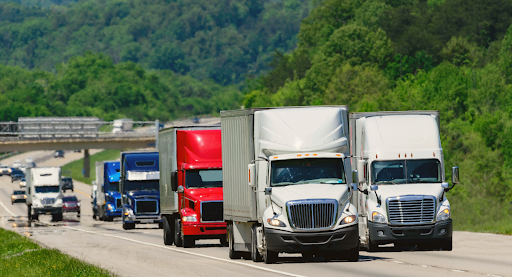
Summer Congestion: Safety Tips for Truckers on Busy Roads
Summer means more cars, more congestion, and more risk, especially for truckers running through Maryland, Pennsylvania, Virginia, Delaware, and Texas. Vacation traffic, holiday weekends, teen drivers out of school, and peak construction season all collide during these months. For trucking operations, that congestion isn’t just annoying. It’s a hidden business threat that quietly eats into profit and increases crash exposure.
Bay Shore Insurance works with independent owner-operators and small fleets and understands what these summer months really look like from behind the wheel, then helps you protect your rig, cargo, and livelihood with coverage and support that fits your operation.
The Real Cost Of Congestion For Truckers
Congestion doesn’t just slow you down… it drains money from every mile.
ATRI’s most recent Cost of Congestion analysis found that traffic congestion added $108.8 billion in costs to the trucking industry in a single year, the equivalent of more than 430,000 commercial truck drivers sitting idle for a full work year, with an average cost of $7,588 per registered combination truck. Texas alone accounted for $9.17 billion of those costs, the highest of any state.
If you’re a small fleet or owner-operator, the impact can hit harder:
- Tighter delivery windows and more “hurry up and wait”
- More fuel is burned in stop-and-go traffic
- More pressure on hours-of-service planning
- Higher chance of a minor incident turning into a major loss
Why Summer Makes Congestion Worse
Summer stacks the deck against truckers:
- More passenger vehicles are traveling long distances for vacations and holiday weekends
- More inexperienced drivers on the road
- More work zones and lane shifts during warm-weather construction
- More RVs, boats, and trailers in the mix (often with sudden braking and wide turns)
It’s not just a short-term issue, either. Federal freight projections show heavy long-haul truck volumes on major parts of the National Highway System through 2045, meaning congestion pressure on key corridors isn’t going away.
Congestion Hotspots That Matter In Bay Shore’s Core States
You don’t need a technical map to know where the summer pinch points are; you feel them every week.
Maryland & Delaware
- Baltimore-area congestion is a reality, especially around major beltway segments and peak commuting windows.
- Summer beach traffic increases volume toward coastal routes, and even “quiet” Eastern Shore roads can become riskier when seasonal traffic surges and shoulders/lighting are limited.
Pennsylvania & Virginia
- Major freight corridors and connectors can bog down near metro areas and on vacation routes, and summer brings more passenger vehicles towing boats and campers, unpredictable around big trucks.
Texas
- With congestion costs topping $9 billion, trip planning and patience are not optional for Texas lanes.
- Heat, storms, and major work zones increase stop-and-go conditions and the odds of a chain-reaction crash.
Smart Safety Moves For Summer Congestion
Managing congestion is risk management. A few habits can lower your odds of a crash and help you protect uptime:
- Plan around peak traffic and holiday surges when you can (even shifting by an hour helps)
- Build buffer time into schedules to reduce HOS stress and rushed decision-making
- Increase following distance in stop-and-go traffic (passenger vehicles brake suddenly and cut in constantly)
- Slow early in work zones and expect quick lane shifts and sudden merges
- Watch ramps and interchanges for aggressive lane changes around trucks
- Stay ahead of heat-related breakdowns - check tires, fluids, belts/hoses, and A/C performance before heavy summer runs
- Protect driver focus - hydration, planned breaks, and a calm pace matter more when traffic is thick and the day is long
Where Trucking Insurance Fits In During Summer Risk Season
Even the safest driver can’t control surrounding traffic. Summer congestion increases exposure to:
- Rear-end collisions in stop-and-go traffic
- Multi-vehicle crashes near bottlenecks
- Work-zone incidents
- Cargo damage from sudden stops and detours
That’s where the right coverage matters:
- Truckers Primary Liability helps protect you if you’re at fault for injuries or property damage to others.
- Truckers Physical Damage helps repair or replace your truck and trailer after a covered loss, such as collision, theft, or vandalism.
- Motor Truck Cargo helps protect you for covered loss or damage to freight (subject to policy terms, limits, and conditions).
Bay Shore also supports truckers with DOT/FMCSA safety and compliance awareness and claims processing, which can be especially valuable when something happens in a heavily enforced, heavily congested corridor.
Stay Ahead Of Summer Risk
Congestion is not going away, and summer traffic can turn a normal run into a stressful, high-risk day fast. The best approach is preparation, both behind the wheel and in your insurance program.
If you’d like to review your trucking coverage before peak summer traffic hits, feel free to call us at 410-546-1640 or connect with Bay Shore through our website.