
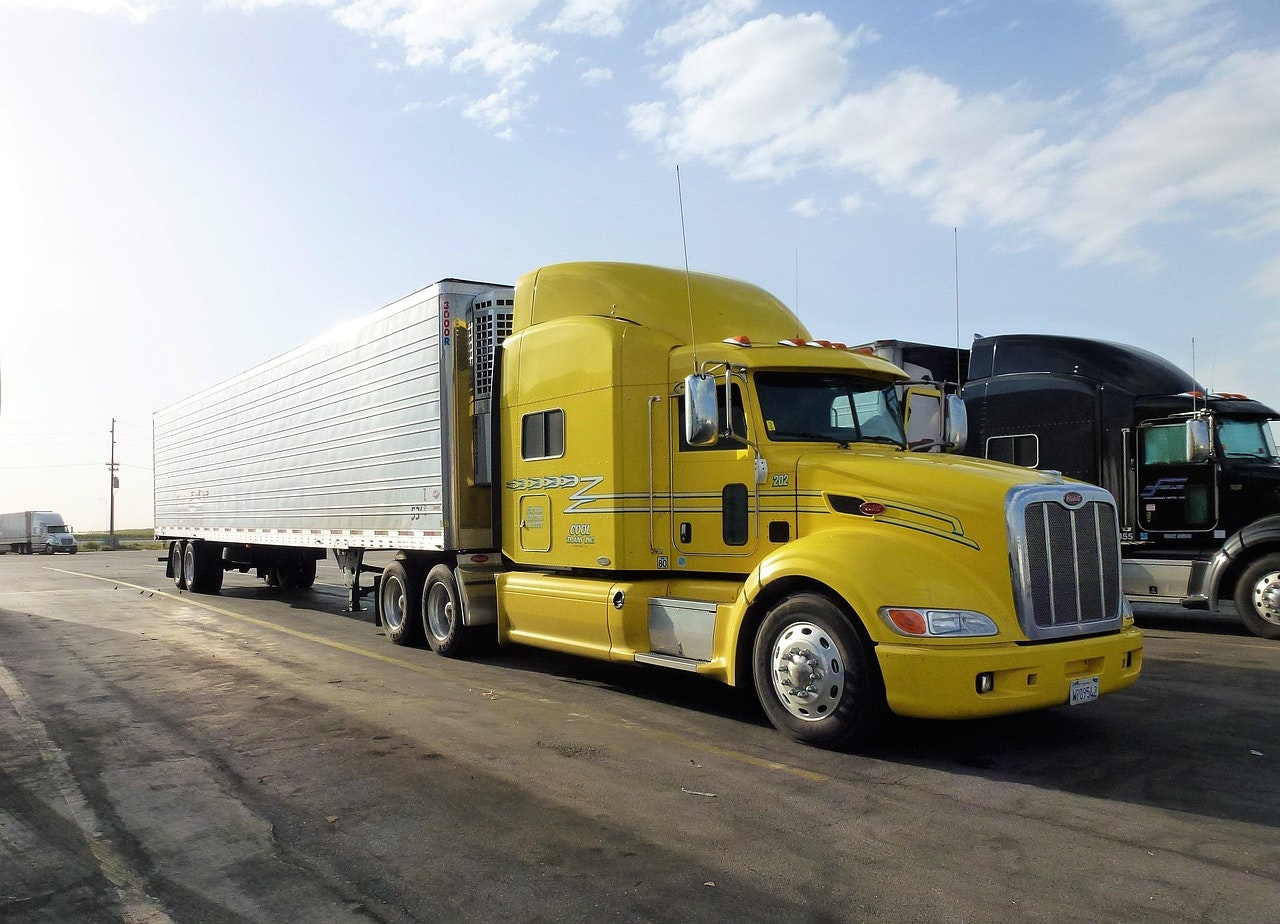
Successful retail season for the trucking industry to close out 2025
Trucking’s Strongest Peak Season in Years Signals a Shifting Market for 2026
After three years of soft demand, low rates, and steadily exiting capacity, the trucking industry finally saw a meaningful rebound during the 2025 holiday retail season. What began as a year of slightly elevated tender rejections evolved into one of the strongest and most disruptive peak seasons since before the pandemic—offering both opportunities and challenges for carriers, brokers, and shippers.
Capacity Tightened Earlier and Faster Than Expected
Throughout 2025, the trucking market behaved differently than in recent years. Tender rejections—an early indicator of tightening capacity—started the year higher than normal and stayed elevated. Seasonal surges tied to produce, summer holidays, and back‑to‑school shipments were noticeably more pronounced.
By late November, a combination of holiday demand and powerful winter storms across the Midwest and Northeast pushed the market into high gear. Tender rejections surged to 13.24%, well above the typical 7–8% threshold that signals spot rate pressure. Spot rates responded with an 18.9% jump from mid‑November to late December, reaching $2.76 per mile.
Small carriers and owner‑operators in the spot market welcomed the upswing, but for freight brokers—whose costs rise when spot rates spike—the season required careful planning and quick adjustments.
How Brokers Managed the Surge
Arrive Logistics, one of the major players in the brokerage space, said they had been preparing for a volatile peak season all year. Their strategy included:
• Reviewing prior-year seasonal patterns
• Strengthening contract award management
• Maintaining proactive communication with customers
• Adjusting API‑driven spot pricing tools to avoid underpricing volatile freight
Arrive noted that elevated tender rejections even before the holidays, combined with October disruptions related to regulatory enforcement, signaled that the market was already primed for instability. Winter storms only accelerated the tightness.
Typically, early December brings a brief lull before the holiday rush. In 2025, that lull didn’t happen—allowing rejections and rates to reach multi‑year highs.
The Demand Picture Is Still Uncertain
Even with capacity gradually leaving the market, the real wildcard is freight demand. Tariff-driven import volatility, long‑timeline industrial investment, and predictions of fatigued consumer spending have created an unclear outlook.
Yet American consumers have remained resilient, driving more than half of the 4.3% year‑over‑year GDP growth in Q3 2025.
Because of this uncertainty, forecasting 2026 remains tricky. Arrive points to mid‑May—Roadcheck Week combined with Memorial Day shipping—as the next major test. Any improvement in housing activity could also add pressure to the market.
What to Expect in 2026
While a major, prolonged disruption in 2026 isn’t the most likely scenario, the probability has increased. The market is more sensitive to seasonal swings than it has been in years, and strong Q4 performance shows how quickly conditions can tighten.
If spot rates begin exceeding contract rates more frequently, routing guides may reset, triggering even more volatility.
The Bottom Line
Trucking hasn’t fully turned the corner, but the 2025 peak retail season showed a market that is no longer stuck in its long downturn. Capacity is tighter, seasonal patterns are sharper, and the industry is more responsive to disruption. If demand strengthens—even modestly—the stage is set for a more active, and potentially more expensive, freight market in 2026.